Bilicube Journal
Practical notes on design, research,
and creative work with AI.

Creative Automation Versioning: A Decision Framework
Creative automation versioning should respond to what a rule change can alter, not how small the edit looks in a configuration file. A change to padding may stay within the current version. A change to the audience, claim, localization, eligibility logic, or brand constraint can make the generated output materially different and harder to explain later. The practical question is not whether every edit deserves a release ceremony. It is whether someone reviewing an output later could identify which rule, inputs, approvals, and scope produced it. Use that test to separate bounded parameter edits from new versions and from changes that need a stronger review or rollback path.
How to Measure Design Handoff Friction
Design handoff friction is not one problem. A developer asking for a missing responsive state, waiting for an asset, rebuilding a component after a late decision, and checking a color value are different events with different remedies. Treating them as one feeling—“handoffs are painful”—makes it difficult to know what to change. A better approach is to measure handoff friction as observable workflow events. Record a small sample of recent handoffs, classify what happened, and compare the same signals after one narrowly scoped process change. This can reveal where investigation is warranted without pretending that a before-and-after shift proves causation.

How to Compare AI Research Summaries
An AI research summary can make a paper sound settled before anyone checks what the paper actually studied. That is the central risk for designers: a concise paragraph may be factually plausible, yet irrelevant to the decision, missing a limitation, or stronger than the underlying evidence allows. The practical response is not to compare summaries by fluency, length, or confidence. Compare them by traceability. Before a summary influences a design direction, identify its source, match its claims to the source, check what it leaves out, and record whether it is ready for screening or requires verification.
How to Build a Hugo Content Preview Workflow
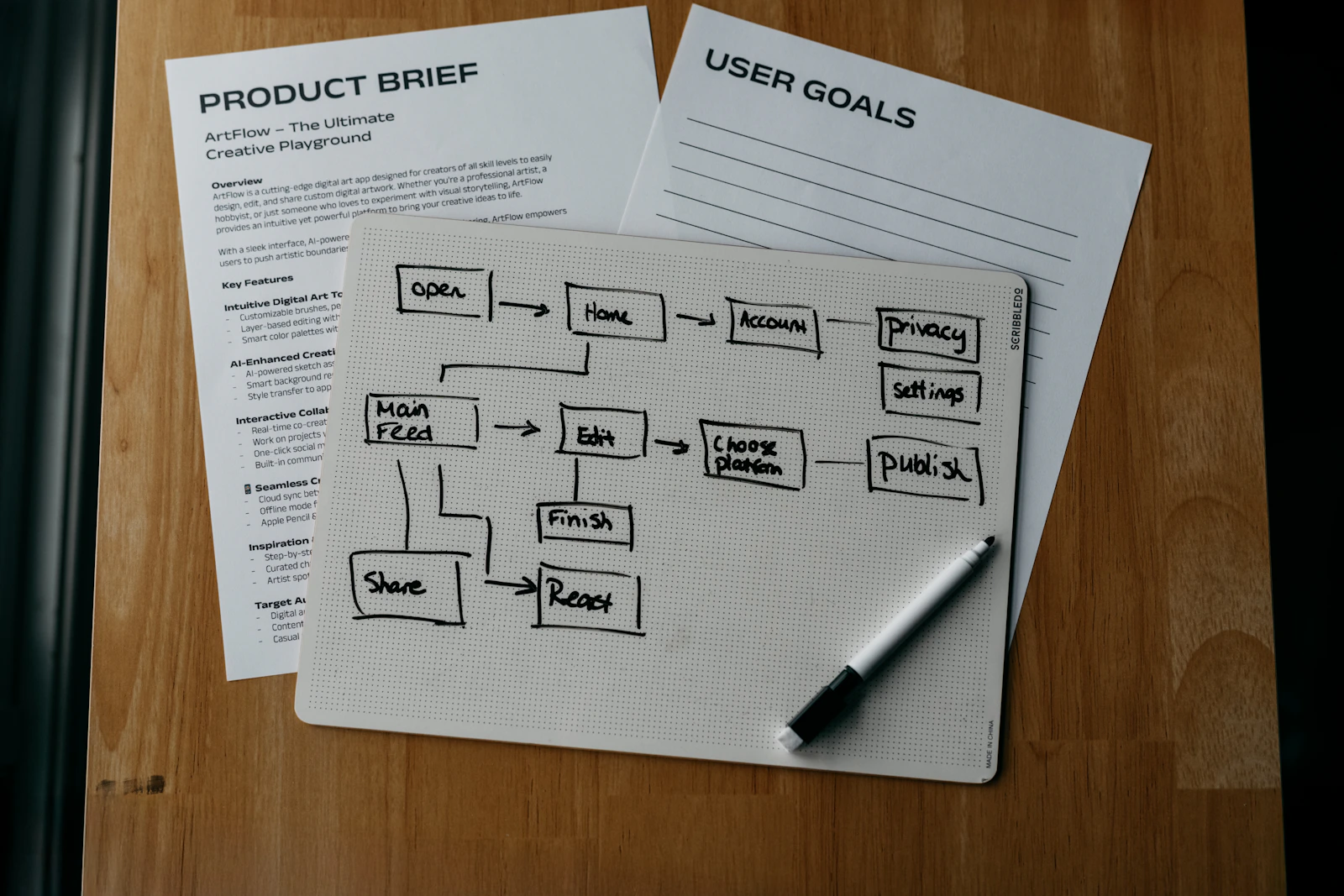
A small Hugo site usually does not need a large editorial platform to review content before publication. It needs a clear boundary between the files being changed, the rendered pages being inspected, and the process that publishes approved output. The smallest useful Hugo content preview workflow starts with local rendering. Add a branch-based or manually triggered remote preview only when another person needs to review the result, the build environment needs checking, or local setup is no longer a practical shared reference. Keep preview generation separate from production deployment so that reviewing a page does not also release it.

Accessibility Review for Component Libraries
A reusable component can reduce repeated accessibility defects without proving that every product feature built with it is accessible. An accessibility review for component libraries should therefore examine evidence at two boundaries: what the shared component implements and what the consuming product still has to verify. This distinction changes the review from a visual inspection into a record of requirements, states, behavior, evidence, limitations, ownership, and review triggers. It also prevents an unqualified “accessible” label from hiding assumptions about content, composition, or application logic.

How to Document Design System Decisions
Design-system documentation should not preserve every conversation. The useful record is smaller: capture decisions whose rationale, scope, or exceptions will affect future implementation. A compact entry should help a later contributor understand what changed, why it changed, where it applies, and when to question it again. The goal is not to claim that documentation automatically makes delivery faster. It is to reduce avoidable coordination work when a reusable rule is questioned, extended, or implemented in a new context.

Design Handoff Checklist for Easier Debugging
A design handoff checklist should help a developer answer one question quickly: where did this discrepancy come from? A polished screen is not enough. If the handoff does not expose the expected state, relevant conditions, source assets, design decisions, and known exceptions, the team has to reconstruct intent from memory. Treat the handoff as a diagnostic system rather than a file transfer. Its job is to make a visual question reproducible, show what the implementation was expected to do, and narrow the possible causes before anyone proposes a fix.
How to Audit a Creative Workflow Before Automating It
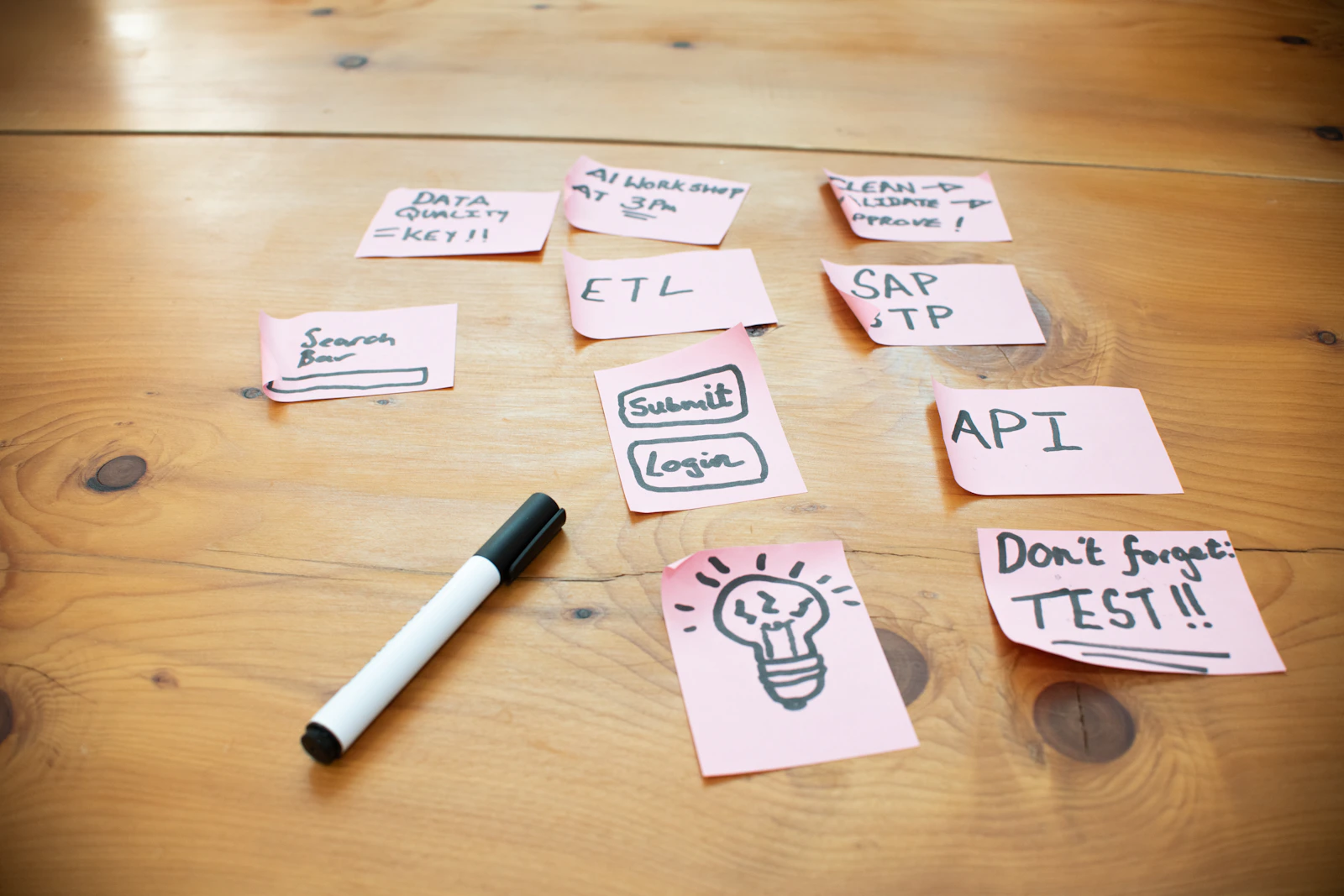
Before automating a creative workflow, map the work that actually happens. Otherwise, automation can preserve unnecessary approvals, unclear ownership, fragile file dependencies, and decisions no one has defined well enough to delegate. The goal is not to automate the whole process. It is to identify the smallest repeatable portion that can change without weakening creative judgment or accountability. Map the Current Workflow from Request to Approved Output Start with one real workflow, not an abstract description of the team’s process. Choose a recurring request type with a recognizable beginning and end: a campaign asset, a set of social variations, a presentation update, or a design-system documentation change.

Are Design Tokens Worth It for Small Projects?
Design tokens are not automatically valuable because they promise scalability. They earn their overhead when a team must keep repeated values aligned across screens, themes, products, or a developer handoff. If none of those pressures exists, a full token workflow can turn a short project into a maintenance project. The practical question is not whether tokens are good. It is whether this project has enough repetition and coordination cost to justify naming, mapping, documenting, and maintaining them.